
HERE FOR EVERY
step forward
Care without barriers — regardless of income, background, or zip code
Recovery does not end when a procedure is over. At West Tennessee Healthcare-Bolivar Hospital, cardiac rehabilitation is helping patients rebuild strength close to home, with support that fits their lives and keeps healing within reach.
For many patients, the hospital stay or procedure is only one part of the care journey. What comes next can be just as important: the follow-up visits, the therapy appointments, the daily progress and the support that helps someone feel strong enough to return to work, family and the routines that make life feel familiar again.
Across Tennessee, especially in rural and smaller communities, that next step is not always easy to reach. Access to care can depend on more than whether a service exists. It can depend on how far someone has to drive, whether appointments fit around work or family responsibilities, and whether patients have the support they need to stay engaged in their recovery over time.
At West Tennessee Healthcare-Bolivar Hospital, cardiac rehabilitation is helping make that kind of support more accessible for patients recovering from heart procedures or cardiac events. The program gives patients a place to continue healing close to home, with personalized guidance, close monitoring and encouragement that helps them rebuild strength safely.
For Anne Griffin, that local access made a difference.
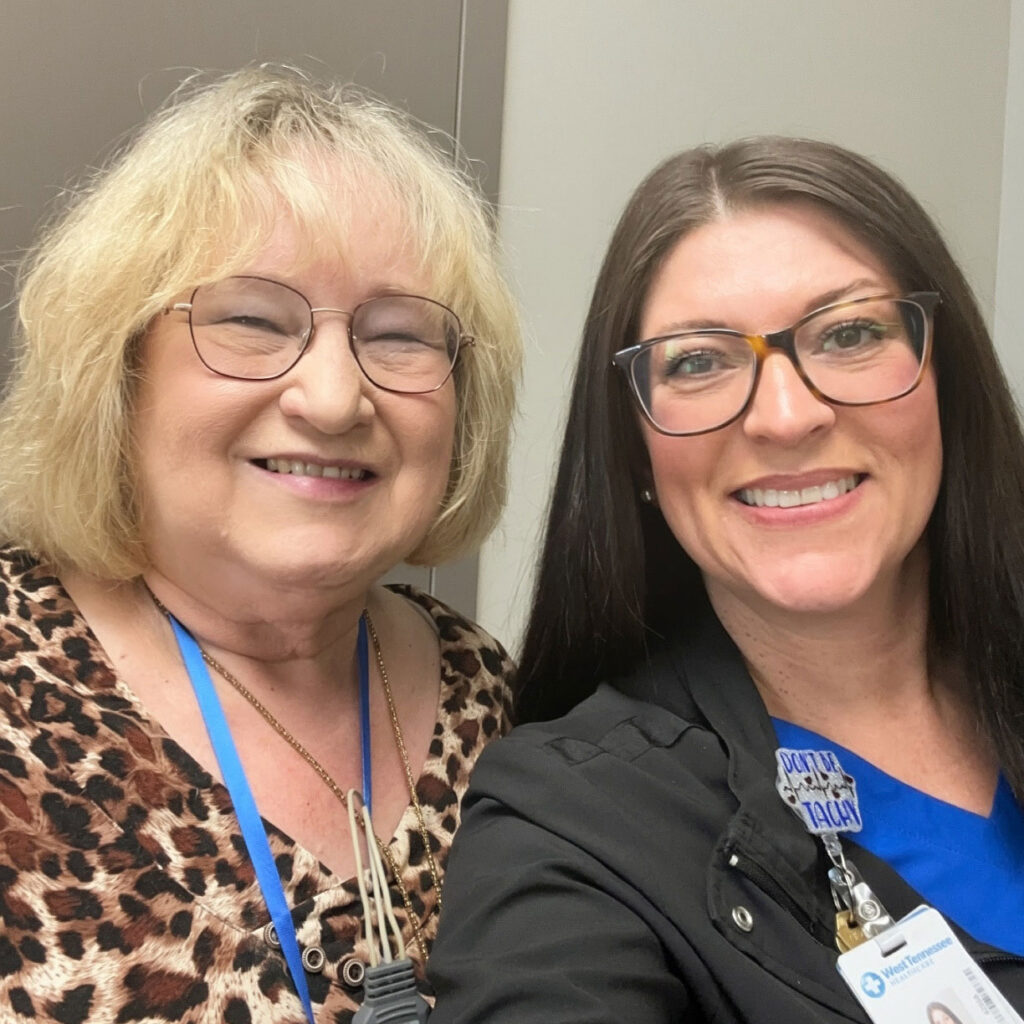
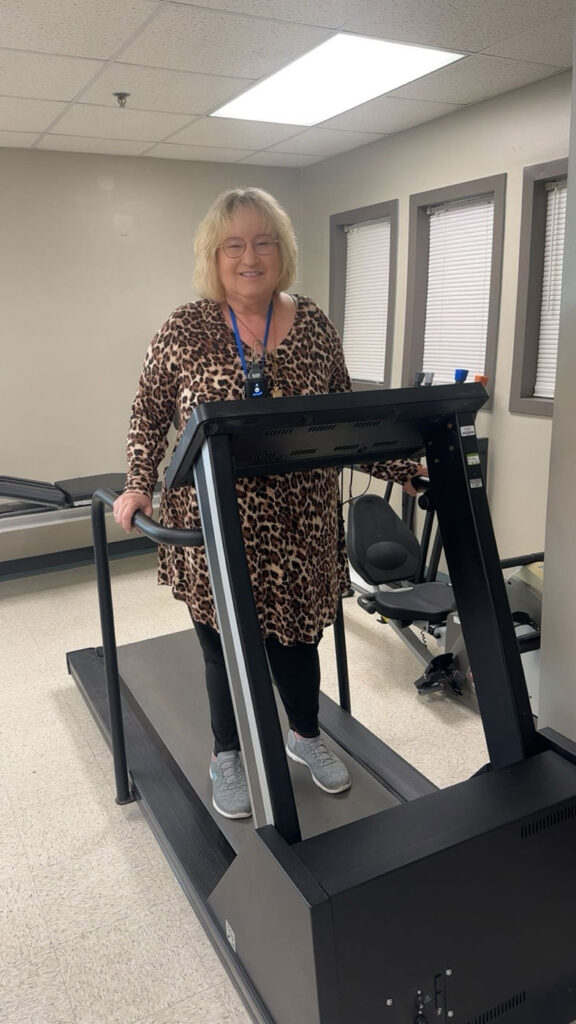
Anne has spent much of her life caring for others. As a family nurse practitioner and psychiatric mental health nurse practitioner, she understands healthcare from the provider side. She knows what it means to help patients ask questions, navigate uncertainty and take the next step in their care. Last year, after living with a heart condition for years, Anne experienced that journey from the other side.
In April, Anne underwent an aortic valve replacement. Surgery was necessary, but recovery brought new questions about how to regain her strength safely and return to the life she loved. A friend recommended the cardiac rehab program at Bolivar Hospital and Cardiac Rehab Manager Penny Sparks, and Anne asked her doctor to refer her there.
The location mattered. Bolivar Hospital was close to home, which meant Anne did not have to spend hours traveling for rehabilitation. It also meant she could fit appointments into the rhythm of her life, including being able to complete rehab and still pick up her grandson from school nearby. During recovery, those everyday routines can carry real weight.
At Bolivar Hospital, Anne’s rehabilitation was built around her progress, her comfort level and her goals. She started slowly, gaining strength week by week. As her stamina improved, so did her confidence. The everyday tasks that once felt difficult became more manageable. Stairs became easier. Work became less tiring. Time with family became something she could enjoy with more energy and less fear of overdoing it.
That kind of progress reflects the role hospitals play long after the most urgent moment has passed. Hospitals are often thought of as places people go in an emergency, but they are also places of recovery, education, rehabilitation and ongoing support. They help patients understand what comes next and make that next step possible, whether that means managing a condition, rebuilding strength or returning to the life they know.
For Anne, cardiac rehab helped turn uncertainty into momentum. Not long before Christmas, she worked a full day at the nursing home where she now works part time, then spent the evening with family at the lantern festival at the Memphis Zoo. By the end of the day, she had walked about three miles — a milestone she once was not sure she could reach.
Her experience shows what recovery can look like when care is accessible and personal. It is not only the clinical plan. It is the ability to keep showing up. It is having someone monitor progress closely, answer questions and help patients understand how movement, medication, diet and daily habits can affect healing. It is being supported in a way that fits real life.
For communities like Bolivar, local access to that support matters. When rehabilitation is close to home, patients are more likely to reach it, return to it and benefit from it. When care teams know their patients and understand their lives, recovery can become more practical and more personal. And when hospitals bring these services into local communities, they help remove some of the distance, disruption and uncertainty that can stand between patients and better health.
At West Tennessee Healthcare-Bolivar Hospital, cardiac rehabilitation is helping patients like Anne continue forward after heart surgery, one appointment and one milestone at a time. For Anne, that progress has meant returning to work, spending time with her family and feeling strong enough to take on the everyday moments that once felt out of reach.
That is what it means to be here for every step forward.
Read more about this story here.
BE A PART OF THE STORY
Get the latest stories, updates, and ways to support the Tennessee hospitals that support you
Hospitals and the people that work in them are here for everyone in every community across Tennessee. How have they been here for you? We want to hear from you and share your stories as a part of the “Here for Every” campaign.